

It has been a long while since I first had confidence in discussing my condition. Despite that, it has took a lot for me to find the confidence to open up about the taboo subject that is mental health within diabetes.
Nevertheless, I felt compelled to start writing about it now because the spirit of procrastination cannot stop me from sharing my story.
Please bear with me if the rest of this blog may seem like I’m ranting but when discussing my condition this is the best way for me to get things off my chest
It was only in the last year that I acknowledged that my condition has impacted my mental health and not in a positive way unfortunately. Namely dealing with stress and anxiety trying to complete my Masters degree and working jobs where I felt undervalued in: it has been a struggle to manage my diabetes.
The problem with diabetes as mentioned in Diabetes & I is that no two days are the same. You could eat right, give the ‘right’ amount of insulin and get the ‘perfect’ blood sugars. Then you do the same the next day and your blood sugars are erratic. This alone causes so much stress and self doubt, as you tend to feel that you have no control over your own body.
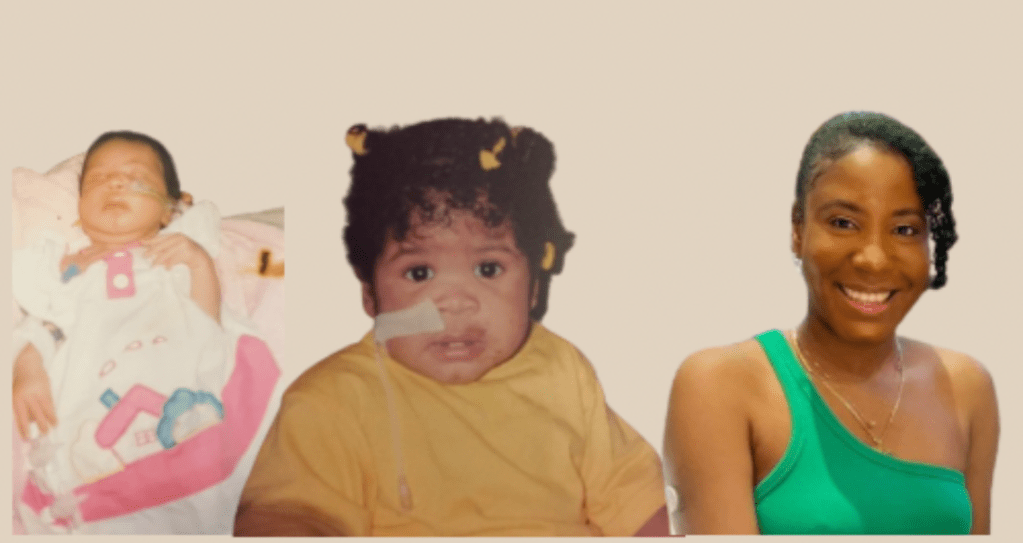
From 16 til now (25 years old) I have been in a constant battle between accepting my condition and managing my condition. You would’ve thought that living with the condition for 25 years it would just come naturally to me and I’d just “get on with it” by now. But the transition from adolescence to young adult to now being considered an official adult can take its toll on a person. There’s so many key life moments that happen during these stages in a persons life that to be honest, diabetes doesn’t seem to fit into that. (I will discuss these stages in greater depth in a separate blog post)
In this period of life I am thankful that I have not had to be admitted to hospital for my actions or inactions of managing my condition. However, I can’t ignore the fact of potential damage I may have already inflicted from not checking my blood sugar, or giving excessive insulin which then causes hypos or not giving insulin at all. Although I have been provided with devices like the Freestyle Libre and recently the Omnipod which on the surface should aid my control, the struggle is still present.
There is a term for this known as “diabetes burn out“, where you disregard the condition by not checking your blood sugar, eating whatever you feel like despite it having a negative effect on your blood sugar and giving insulin without a blood sugar reading. I’m not too shy to admit that that is me. This can be misinterpreted or seen to outsiders i.e family and friends as you being “lazy”. I wasn’t aware that there was a term for what I was doing until recently. The fact that I’ve not seen any posters about this when attending clinic and learned about this from a Facebook forum highlights the lack of information available on mental health in diabetes.
This leads me onto the support or lack thereof for people with diabetes. My main concern is for those that are recently diagnosed and are hit with tons of rules and regulations for a condition which is new to them, which in turn can lead to damaging effects on their mental health.
When I was transitioning from children’s clinic to young adults I had to complete a form which was a checklist to see whether you were capable of managing your condition on your own. I left children’s clinic around 3 years too late at age 19 purely because I didn’t want to leave my consultant after having built a strong bond over the years in her care. One thing on that form that stood out was that I was asked “whether I received any mental and emotional support and whether I would have wanted it”. Looking back the form was probably anonymous so they wouldn’t have realised that it was me that selected “yes, I would have liked the support.” However, there was no follow up nor any inclination that this service existed and was available for me to use.
In September 2019 I went to clinic and was brought to tears when I met this young lady who was around the age of 21 who had left her meeting with her Consultant in tears. Due to the fact that she was finding it difficult to cope with her diabetes and as a result her health was in a seriously bad way. I saw myself in that young lady. Although I have never been reduced to tears after a consultation, I could relate to how she felt alone and like she was failing. I was compelled at the time to offer as much help and knowledge that I knew of just to reassure her. But one thing that stuck out for me was that there was no official service (in the NHS, that I know of) that could offer her emotional support. Granted, the Diabetes Nurses were trying to help in a way that they knew best but the lack of emotional and mental support stood out.
I’ve noticed that in clinic the focus is usually on the condition, diabetes, not the actual person who just so happens to have it. So when someone like myself goes to an appointment, yes the odd pleasantries of “how are you?” are said but the rest of the appointment is just solely on the diabetes alone. This is why I titled this section ‘Diabetes & I’ because it includes the person as well as the condition. As mentioned in “Diabetes & I“, in my young adolescent years I made great efforts to ignore my condition due to this and actively chose to live a separate life from my condition; I described diabetes as the et al part of my life at the time.
In May this year I was given an amazing opportunity to take part in Diabetes UK “It’s missing” campaign (video below). This was a campaign to push for more mental and emotional support within the NHS for people with diabetes and highlighted what people with the condition go through, their thoughts and feelings etc. I put forward the suggestion that there should be a drop-in consultation with a psychiatrist during diabetic clinic especially for young people. So you wouldn’t be obliged to go in and see one but there is that option there if you needed to speak to someone professional that wasn’t your Consultant or Specialist Nurse.
Although the petition has ended the campaign is still ongoing so I’d appreciate if you could watch and share the video. Hopefully, those in Parliament can realise how serious and necessary it is to have this support embedded within the treatment and management of diabetes.
Off the back of this, I have considered setting up a support group network online for diabetics to talk about their thoughts and feelings and share tips on managing the condition because I feel although medical knowledge from a Diabetic Consultant is necessary, you cannot get more expert advice than from someone who actually has and lives with the condition day in, day out. Until I figure out how to set this up officially feel free to email, direct message me or comment on the links below in the meantime 🙂
Khadija Mary xo




 khadija mary
Leave a comment